How to Set Up Person Lines in Rocky Surface
Camping on rough ground has genuine advantages. It drains well, withstands disintegration, and usually comes with amazing views. But when it concerns pitching a camping tent safely, rocky terrain provides a distinct obstacle: you typically can't drive a typical camping tent stake right into solid rock. Guy lines, the tensioned cables that stabilize your outdoor tents and safeguard it from wind, require a different anchoring approach when soil is limited or absent. Below's how to get a stable, wind-resistant setup even when the ground rejects to work together.
Why Individual Lines Matter Extra on Rock
Man lines aren't simply an optional additional. They pull tent walls tight, reduce flapping in wind, and avoid your sanctuary from collapsing or taking off the ground throughout a storm. On soft ground, this is convenient because stakes attack easily into dirt. On rock, the camping tent has much less all-natural resistance to wind, and any void in between the material and steady support comes to be an obligation. An improperly secured outdoor tents on an exposed ridge or slab can turn a gusty night into a real security concern, so getting your individual line supports right isn't practically convenience.
Look the Site Before You Commit
Prior to setting anything up, walk the instant location and seek natural features you can utilize as anchor factors. Try to find bigger rocks that will not change, splits or crevices in bedrock, small trees, roots, or bushes outgrowing slim dirt pockets, and any type of existing spaces in between boulders. Try to identify a minimum of one support option for every edge and guy-out factor of your tent prior to you begin pitching, so you're not clambering later on.
Usage Rock Heaps (Cairns) as Anchors
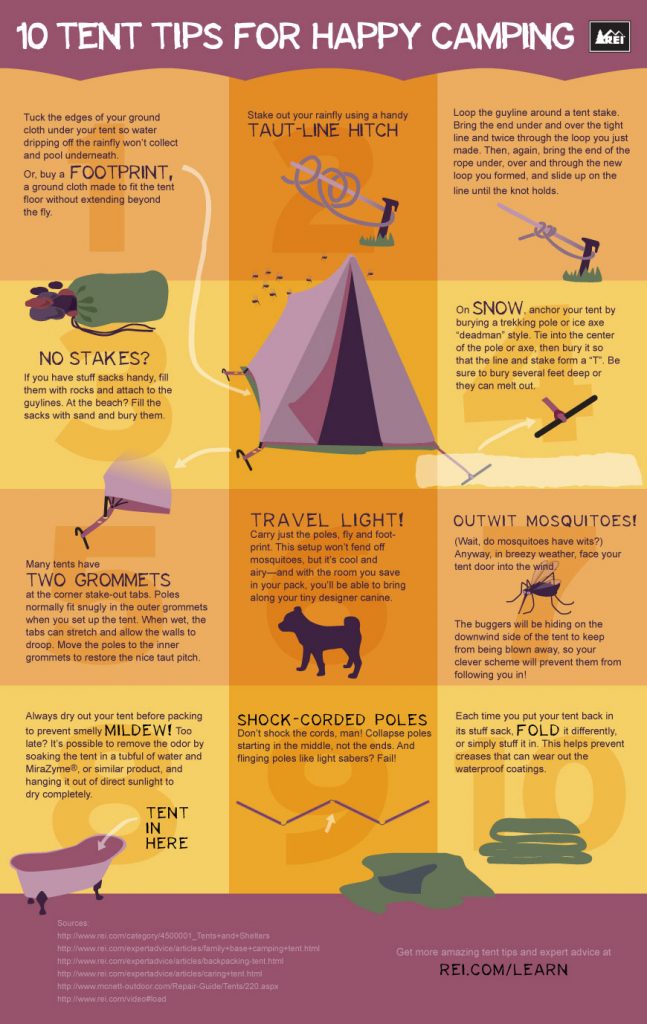
One of one of the most dependable techniques on rough ground is developing small rock piles, in some cases called , over the loop or risk at the end of a man line. Lay the individual line flat on the rock surface area, place a flat stone straight over the cord to pin it down, after that pile two or 3 even more rocks on the top to include weight. The secret is layering enough canvas tent mass that wind can not raise the pile, and angling the line so tension pulls the pile downward instead of laterally or upwards.
Tie Off to All-natural Attributes
Where boulders, tree trunks, or thick roots are readily available, tying straight to them is usually stronger than any type of risk could be. Loophole the guy line around the base of the things, not around a slim point that might slip off. A basic method is wrapping the cable two times around the support and securing it with a taut-line hitch or trucker's drawback, both of which allow you to readjust tension after the preliminary tie-off. Stay clear of sharp rock sides that might fray or cut your rope with time.
Try Rock-Filled Sacks or Stuff Sacks
If you're camping somewhere with continually rough terrain, it's worth carrying a vacant things sack or more specifically for this purpose. Load the sack with loose rocks, tie the guy line around the neck of the bag, and established it in position. This technique distributes weight evenly, is quicker than piling loose rocks, and can be adjusted or relocated more conveniently if you require to rearrange your tent mid-setup.
Usage Specialized Rock-Terrain Anchors
Some equipment exists especially for this issue. Y-stakes and screw-type anchors developed for rock gaps can wedge right into narrow fractures and hold surprisingly well. Rock anchors that resemble tiny hooks or chocks, borrowed from climbing up gear, can likewise be obstructed right into cracks and clipped to individual lines. These devices consider little and occupy marginal pack room, making them worth carrying if you regularly camp on rock or towering surface.
Angle and Tension Matter
Regardless of anchor type, the angle of your person line influences how well it holds. A line angled too steeply upwards from its support factor can pull rocks or equipment loose a lot more conveniently than one tilted closer to the ground. Aim for a roughly 30 to 45 degree angle in between the person line and the ground where feasible, and always examination stress by pulling firmly on the line prior to trusting it over night.
Double-Check Prior To Nightfall
When your camping tent is fully staked and guyed out, walk around and check every anchor point again, especially if problems are gusty. Rock piles can change, knots can loosen, and what looked protected in daylight may need support prior to dark. A few added minutes of care here can mean the distinction in between a peaceful night and an emergency re-pitch at 2 a.m.
Last Thoughts
Rocky terrain rewards preparation. With the ideal mix of all-natural supports, rock piles, specialized equipment, and mindful tensioning, you can pitch a steady, wind-resistant sanctuary nearly anywhere rock controls the landscape. The additional effort invested looking and protecting your man lines repays in comfort with the night.